Self-Organization & 4D Printing Game Simulator
Self-Organization
Self-organization is a fascinating process where complex patterns emerge from simple interactions in physical systems. In natural systems, order arises spontaneously without external direction, based solely on the local interactions between components. This phenomenon can be observed across scales, from molecular self-assembly to the formation of galaxies, and represents a fundamental principle in understanding complexity in our universe.
4D Printing
4D printing extends traditional 3D printing by adding the dimension of time, creating objects that can change form or function after production. When combined with self-organization principles, it enables the creation of adaptive, resilient structures that can transform in response to environmental stimuli like heat, moisture, or vibration. These programmable materials represent the next frontier in manufacturing and design.
Engineering Applications
Understanding self-organization has practical applications in various engineering fields:
Material Processing
Optimizing particle separation, sorting, and material arrangement in manufacturing processes
Structural Design
Creating vibration-resistant structures and systems with optimal damping properties
MEMS Devices
Designing micro-electromechanical systems that leverage vibration for self-assembly
4D Printing
Creating structures that can self-assemble or transform when exposed to environmental stimuli
Adaptive Systems
Developing systems that can reconfigure in response to changing conditions
Biomedical Engineering
Creating medical devices that can self-assemble within the body
Learning Resources
Explore these resources to deepen your understanding of self-organization concepts and 4D printing applications:

Self-Organization Tutorial
Learn the fundamental concepts and mechanics behind self-organization in physical systems

Designing for Self-Organization
Explore engineering approaches for harnessing self-organizing behaviors in design
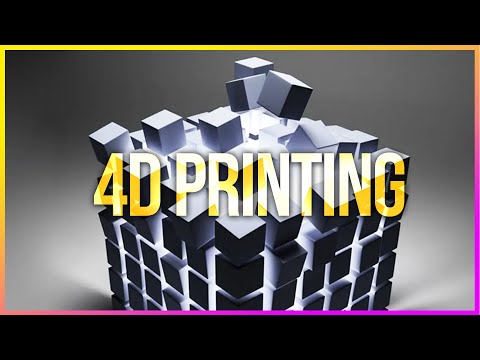
4D Printing Overview
An introduction to 4D printing and how it relates to self-organizing structures